20+
patents and paper
Research
LCCP research focuses on the engineering of catalytic reactions across multiple scales for environmental protection processes, as well as the synthesis and conversion of chemicals and energy carriers, combining experimental work with mathematical modeling.
Our vision
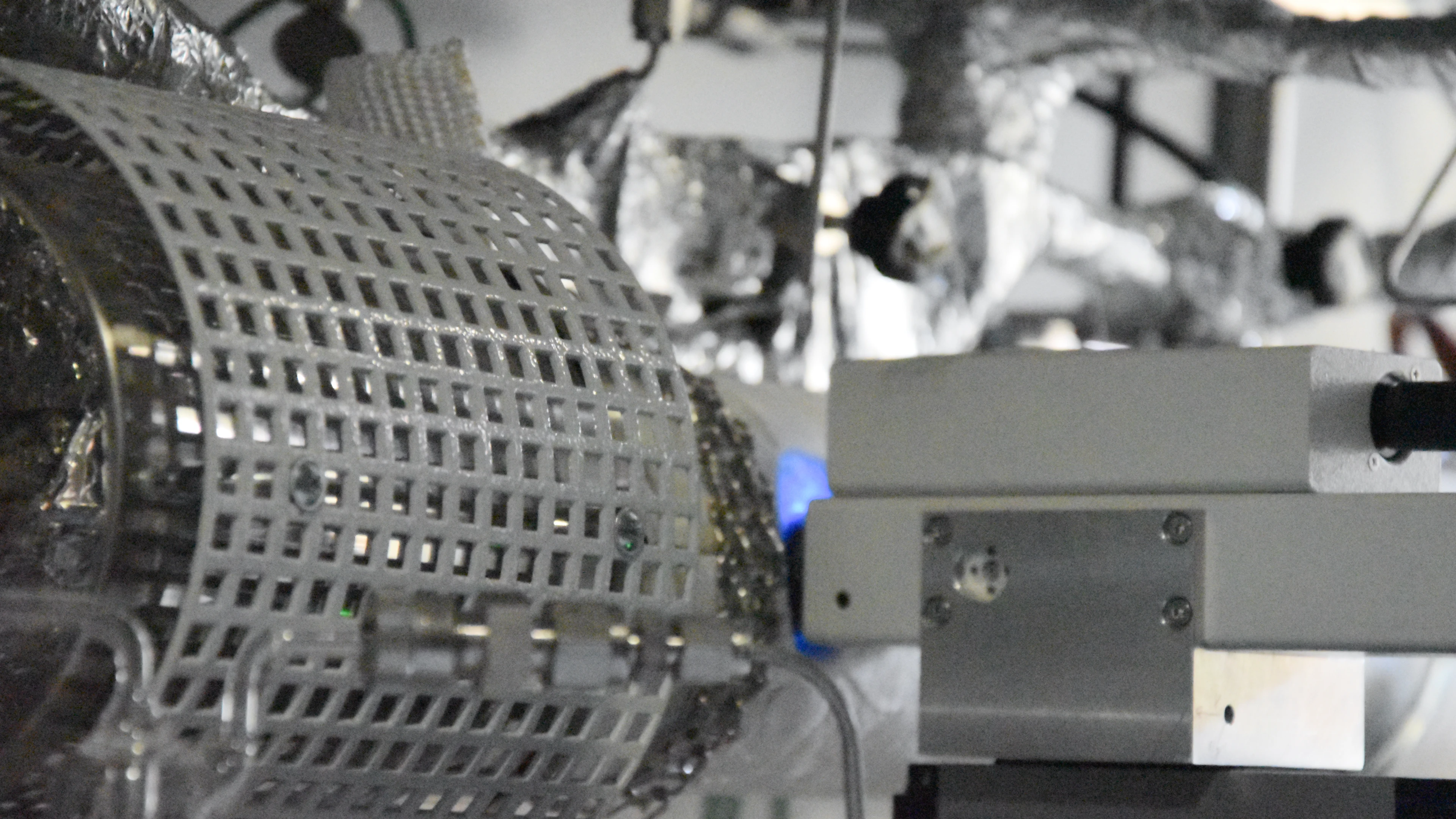
Catalytic processes for energy and transport applications have been of growing importance in recent years in view of the reduction of the environmental impact and of the diversification of energy sources. Since more than two decades the Laboratory of Catalysis and Catalytic processes of Dipartimento di Energia has been involved in several research topics within these areas including: production of clean liquid fuels from natural gas, novel energy conversion systems with minimal environmental impact; clean up processes of exhaust combustion gases.
Every year
patents and paper
projects
PhD students
MSc thesis students
Research areas
We explore advanced catalytic solutions for cleaner air and a more sustainable future. Our work focuses on understanding and designing catalysts that remove harmful pollutants from exhaust gases and industrial streams.

Catalytic processes are central for production of sustainable hydrogen and promote H₂ distribution thanks the conversion of liquid hydrogen carriers.

Turning carbon emissions into valuable products through advanced and scalable CO₂ utilization technologies, from more established industrial processes to emerging solutions, supporting a cleaner environment and a more circular, sustainable future for society.

Process intensification allows to improve productivity and sustainability of catalytic reactors. At LCCP, we are studying new catalyst supports and new reactor concepts that allow to improve productivities, reduce process footprints and possibly combine multiple process steps in a single reactor

Our research focuses on catalytic processes in order to study and optimize heterogeneous reactions at multiple scales. This approach integrates atomic-level mechanisms with reactor-scale behavior, allowing for the rational design of efficient catalysts and processes.

We work on advanced electrochemical systems that make energy conversion cleaner and more efficient, bringing us closer to a sustainable energy transition.

Waste biomass from the agricultural field and forestry residues can be converted and upgraded through thermal and catalytic processes to produce high-value products: biochar (used as solid amendant, anode material or catalyst for pollutant removal), bio-oils (liquid fuels for the decarbonization of the aviation and marine sector) and bio-gas (a renewable source of heat and power)

Transforming syngas into valuable fuels, chemicals, and energy carriers through advanced and scalable conversion technologies, from well-established industrial pathways to innovative emerging solutions, supporting industrial sustainability, resource efficiency, and the transition toward a low-carbon economy.

Through the development of advanced catalysts, reaction kinetics, and innovative process concepts, we aim to improve product selectivity, energy efficiency, and process flexibility. Combining fundamental research with strong industrial collaboration, we contribute to the design of next-generation fuel processing technologies capable of addressing evolving energy and sustainability challenges.

Partners
Proudly part of an international network of organizations and institutions.
Discover
Key assets
Team
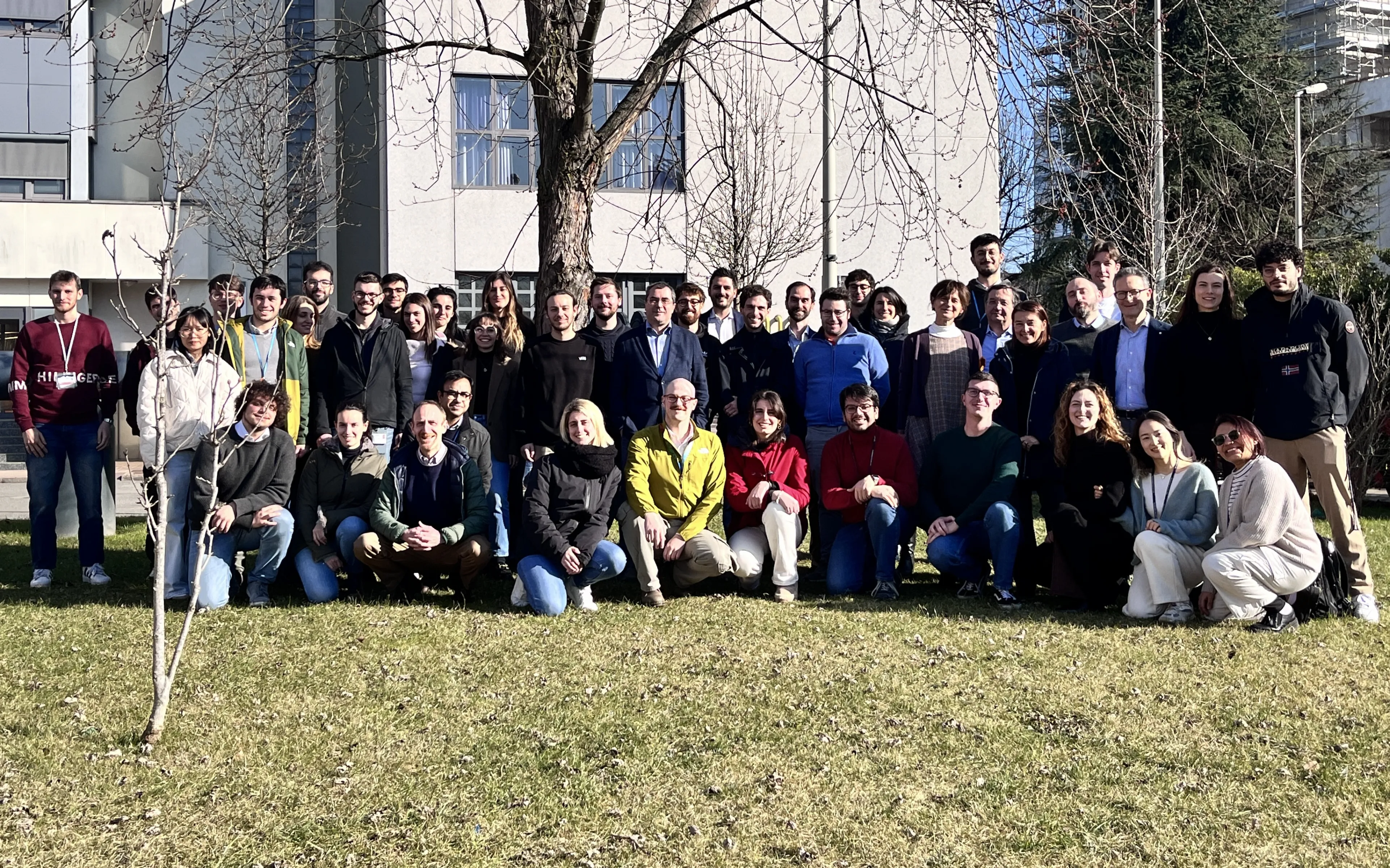
With 16 faculty members and more than 30 between PostDoc and pHD students, the LCCP is one of the largest research groups in field of catalysis and chemical reaction engineering.
Facilities
With more than 2.200 m² of dedicated laboratories inaugurated in 2014, we have the space and infrastructure needed to support our research activities effectively. Our facilities include a wide range of catalytic testing rigs, dedicated catalyst preparation areas, and advanced characterization equipment, allowing us to carry out our work with precision and reliability.